


THE COVER OF THE HÜCRE-İ SAÂDET
THE COVER OF THE HÜCRE-İ SAÂDET
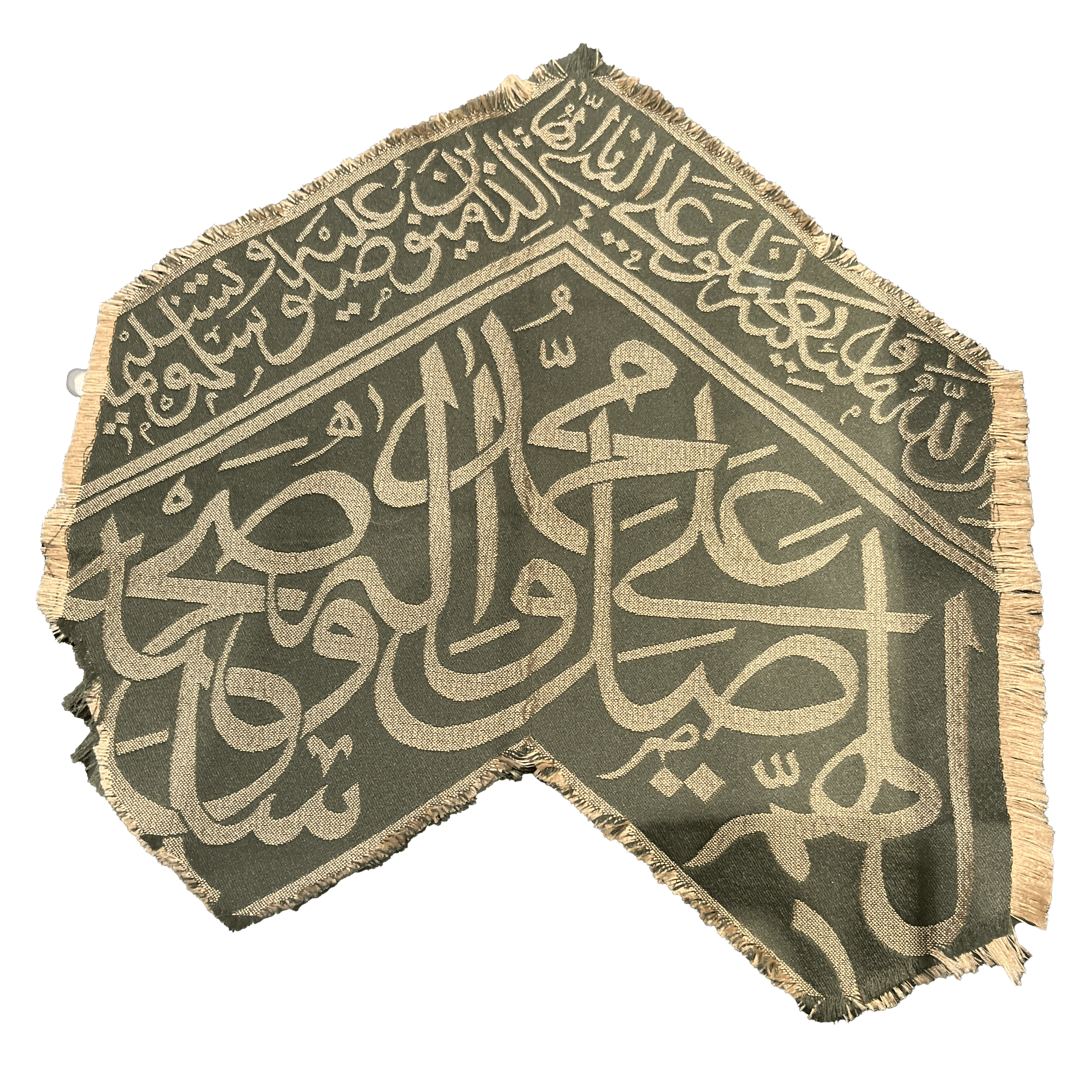
This phrase, composed of the Arabic words cell (room) and saâdat (happiness), is used for the tombs of the Prophet, Prophet Abu Bakr and Prophet Umar.
It is reported in the sources that when the Messenger of Allah built the first masjid (Masjid al-Nabawî) in Medina, he built two rooms adjacent to the southern part of the eastern wall for himself, and in one of them he placed Hazrat Sevda, whom he married some time before the Hijrah, and in the other he placed Hazrat Âisha, whom he married in Medina. It is known that the 4th verse of the Qur’anic sûra al-Hujurât (the rooms) was named al-Hujurât (the rooms) because these rooms were indirectly mentioned when the Bedouins were condemned for their rude behavior in calling the Messenger of Allah outside. The verse that deals with asking permission to enter these rooms also uses the term “the houses of the Prophet” (al-Ahzab 33/53).
Among these cells, which later increased to nine in number, Hz. Âisha’s room gained importance especially due to the burial of the Messenger of Allah (saw) here, and began to be called by names such as “cell, al-hücrat al-sharîfa, al-hücrat al-muqaddese, al-hücrat al-muattara, cell-i münîfa, cell-i saâdet”.
