


Panorama
Panorama
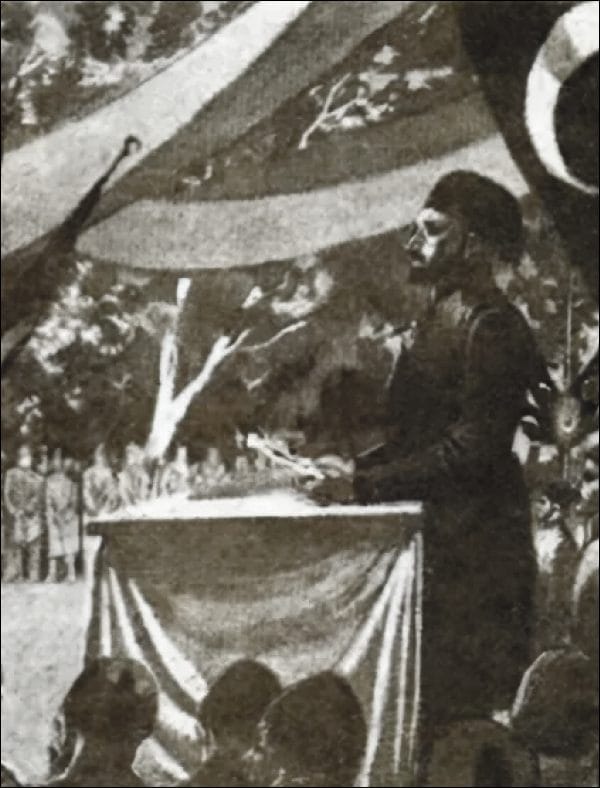
1835 The Galata Mevlevihane was rebuilt after the fires it had suffered.
1839 The Edict of Gülhane (Tanzimat Edict) was proclaimed.
1844 The crescent and star flag was officially adopted as the Ottoman flag.
1845 The police organization was established.
1846 The foundation of the Darülfünun (Ottoman university) building was laid.
1851 The Şirket-i Hayriye (the first passenger ferry company in Istanbul) was founded.
1853 The Crimean War began.
1856 The Reform Edict (Islahat Fermanı) was proclaimed.
1863 Darülfünun began its educational life with a public physics lecture given by chemist Derviş Pasha.

1867 The Young Ottomans Society was founded in Paris under the patronage of Mustafa Fazıl Pasha by intellectuals such as Namık Kemal, Ali Suavi, and Ziya Bey.
1867 Ken’ân Rifâî, the son of Postmaster Abdülhalim Bey and Hatice Cenân Hanım, was born in Thessaloniki.
1868 The Hilal-i Ahmer Society (Red Crescent) was founded. The Mekteb-i Sultânî (Galatasaray High School) was established.
1869 The Maârif Regulation aimed at modernizing the education system was enacted.
1869 The Yedikule Girls' Industrial School was opened, marking the first step towards vocational education for women.
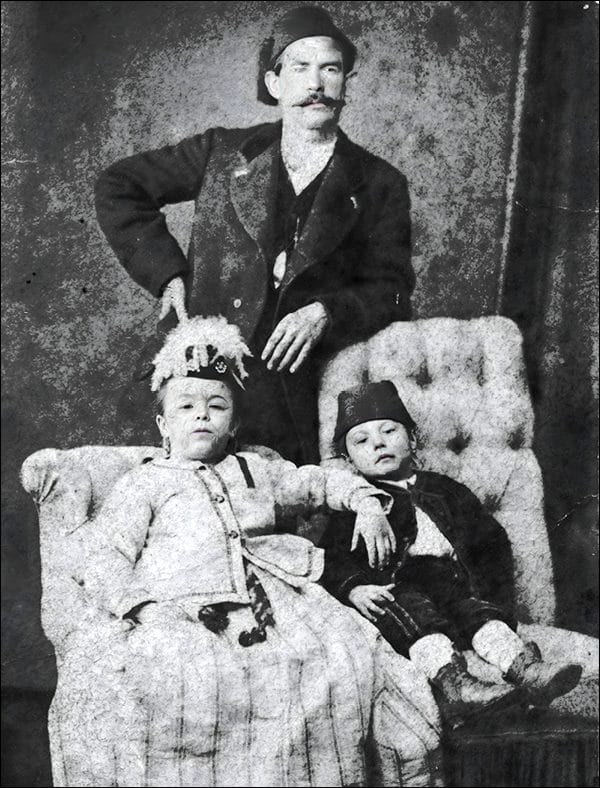
1873 Ken’ân Rifâî started primary school (Sıbyan Mektebi) in Plovdiv.
1874 The Faculty of Law was established within Dârülfünûn-i Sultânî.
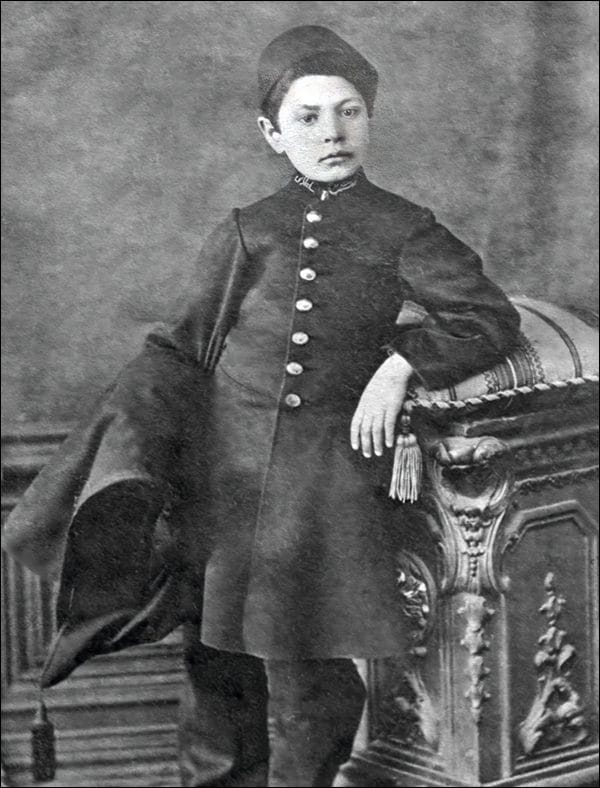
1876 Bulgarian uprisings in the Balkans.
1876 Settled in Istanbul with his family during the Bulgarian uprising.
1876 With the proclamation of the Constitutional Monarchy, the first Ottoman constitution, the Kanûn-i Esâsi, was adopted.
1877 The ``War of '93`` began with the Russian Empire.
1877 Enrolled in the middle section of Galatasaray Mekteb-i Sultânî (Galatasaray High School).
1878 Sultan Abdul Hamid II abolished the First Constitutional Era.
With the Treaty of Berlin, Bulgaria gained partial autonomy.
1878 One of the longest-running newspapers in Turkish press, Tercümân-ı Hakîkat, began publication.
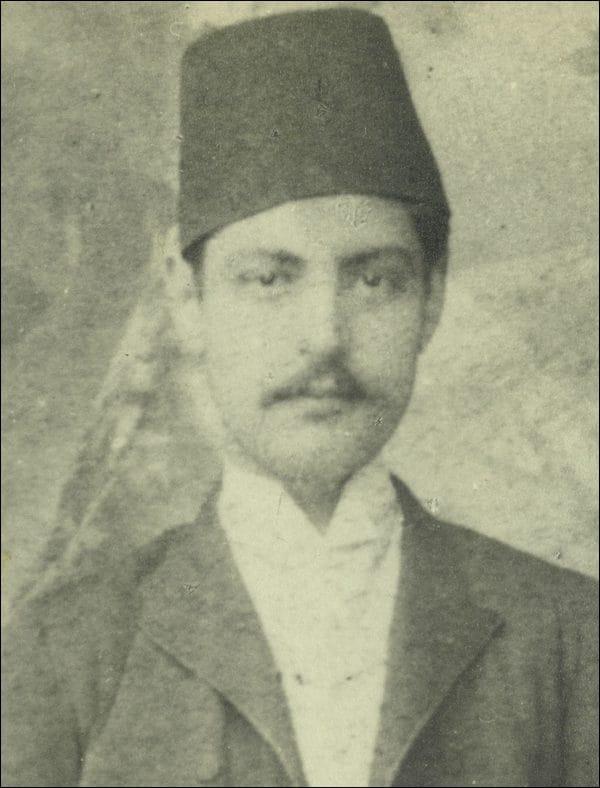
1882 The British occupied Egypt.
1883 The Imperial School of Fine Arts was opened.
1888 Graduated from the literature department of Galatasaray Imperial School.
1888 Started Law School.
1889 The Ottoman Union Society was founded at the Military Medical School.
1889 Appointed as the principal of Balıkesir Karesi High School.
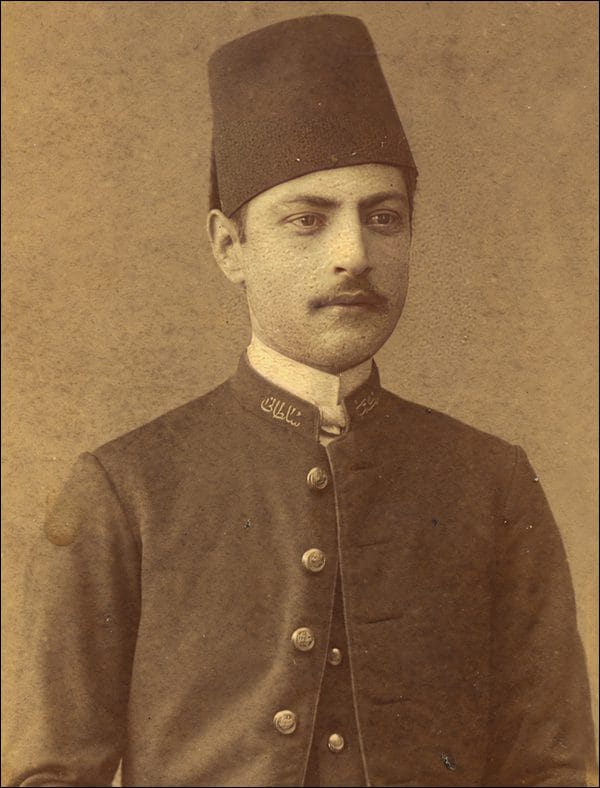
1890 Appointed as director of education in the province of Adana.
1891 The magazine Servet-i Fünun began publication.
1891 Promotion in rank due to his services in civil duties.
1891 Appointed as director of education in the province of Manastır.
1890 Death of Sheikh Edhem Efendi.
1890 Subsequently received the glad tidings of being given a spiritual duty (caliphate).
1890 His work titled Muktezâ-yı Hayât was published.
1892 Haydarpaşa-İzmit railway line was put into operation.
1893 Appointed as director of education in the province of Kosovo.
1895 Due to increasing unrest in the Balkan territories, the family's real estate and belongings were liquidated.
1895 A decision was made to appoint Turkish language teachers to non-Muslim schools.
1896 The Eskişehir-Konya railway line was completed.
1896 Appointed to the Directorate of Education in the Trabzon province.
1896 Conferment of rank.
1897 The Ottoman-Greek war began.
1897 Appointed as director of the Istanbul Dersaâdet İdâdî School.
1897 Appointed as director of the Numûne-i Terakki High School.
1898 Ken’ân Rifâî's articles on pedagogy began to be published in the Tercümân-ı Hakikat magazine.
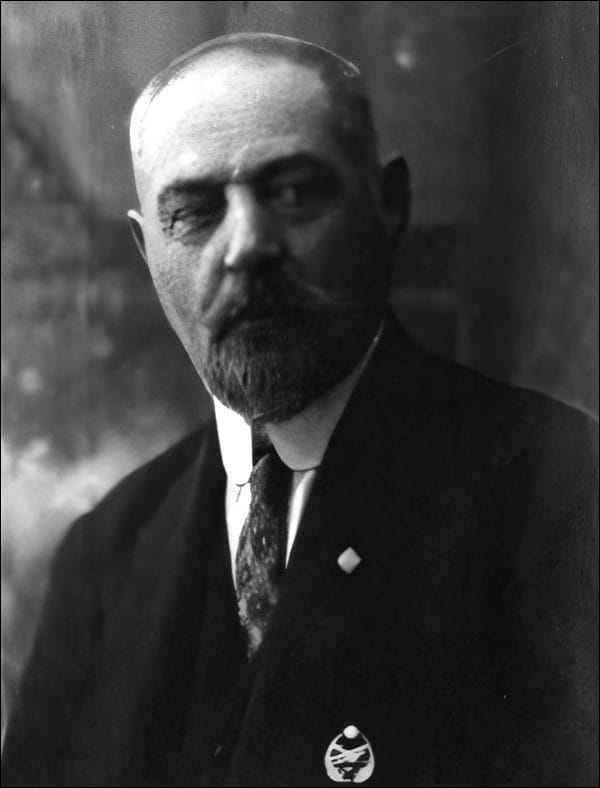
1900 He was commended and promoted for his outstanding service.
1901 Appointed to Medina as the founding principal of the Medîne-i Münevvere High School.
1901 His daughter, Hayriye Hanım, from Mâhire Hanım, was born in Medina.
1901 Authored the work titled Arabic in Forty Lessons.
1903 The Damascus School of Medicine was established.
1903 Performed the Hajj pilgrimage.
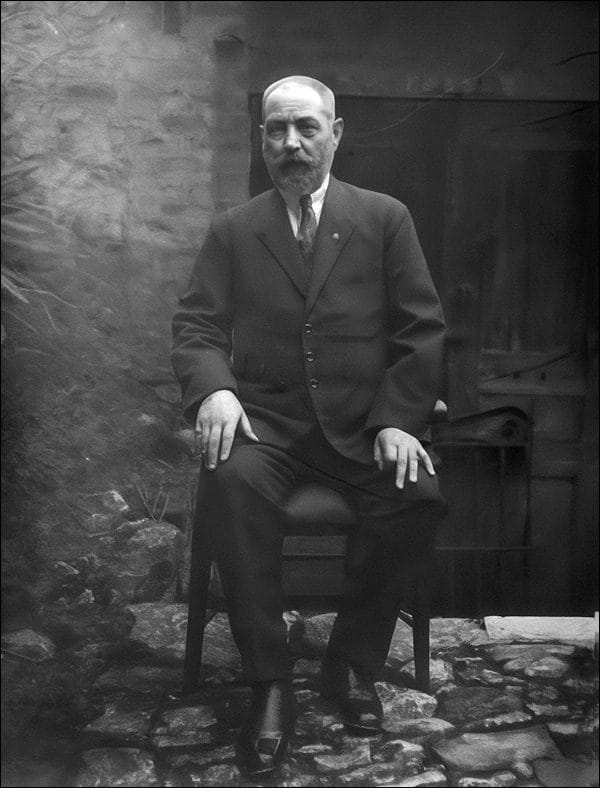
1905 Worked as a French teacher at Dârülmuallimîn-i Âliye in Dersaâdet.
1906 Appointed to the Inspection and Examination Committee.
1907 Translated Camilla Flammarion’s (d. 1925) French work La Fin du Monde into Turkish as Dünyanın İnkılâbı.
1908 The Second Constitutional Era was proclaimed.
1908 Bulgaria declared full independence.
1908 Appointed as an inspector member at the Supreme Ministry of Education (Maârif Nezâret-i Celîlesi).
1908 Received the title of sheikh of the Rifâî order.
1908 The Ümmü Ken’ân Lodge was opened.
1908 Appointed as the principal of the Darüşşafaka School.
1909 The Sufi-themed journal Cerîde-i Sûfiyye and the newspaper Muhibbân began publication.
1909 An Armenian uprising occurred in Adana.
1909 The Fecr-i Âti literary community was established.
1909 The 31 March Incident and the deposition of Abdulhamid II.
1909 His work titled Rehber-i Sâlikîn was published.
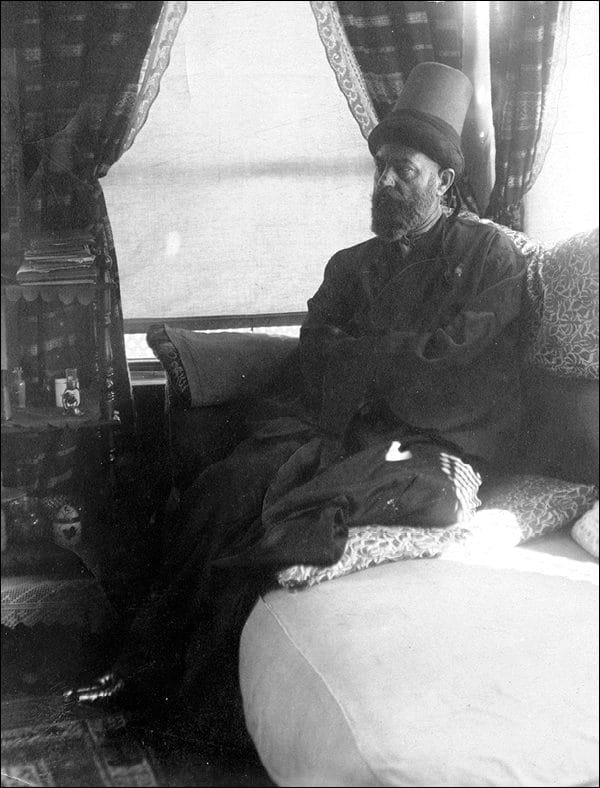
1910 The work titled Tuhfe-i Ken’ân was published.
1910 He made his second visit to Medina with his successor Calligrapher Aziz Efendi.
1910 The weekly Mesnevî lessons at the Ümmü Ken’ân Lodge began to be recorded.
1911 The Ottoman-Italian War began.
1911 The Sufis, for the first time outside the lodge, established a different organization called Cem‘iyyet-i Sûfiyye.
1912 Albania declared its independence.
1913 The Balkan Wars ended.
1913 Bahâ Tevfik began publishing articles in order to promote materialism in Felsefe Mecmuası, one of the country's first philosophy journals.
1914 The Ottoman Empire allied with Germany and entered World War I.
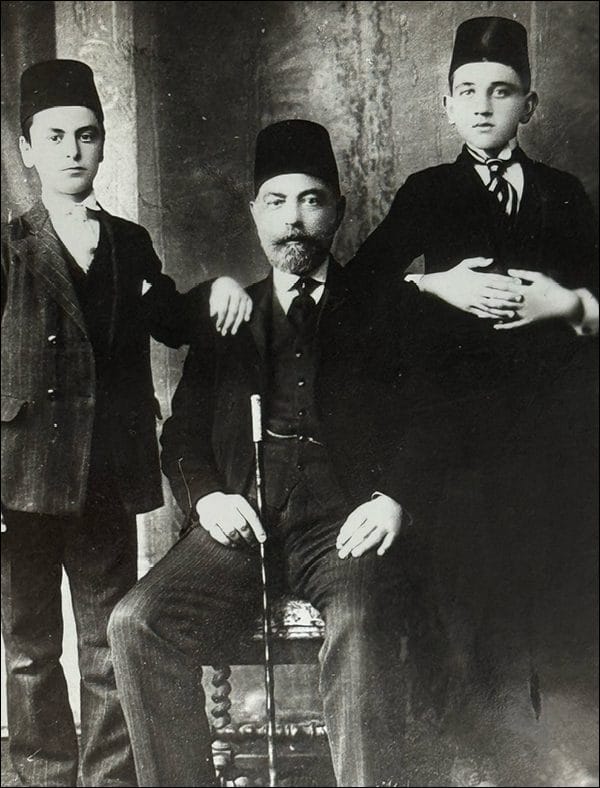
1915 Appointed as the principal of Fatih Gelenbevi Sultanisi.
1915 The School of Medicine was affiliated with Darü’l-Fünûn.
1915 The Naval Victory of Çanakkale was won.
1916 Hejaz and Mecca were separated from Ottoman territory.
1917 The Yıldırım Army Group was established.
1917 The Sinai and Palestine fronts collapsed.
1917 Mevlevi authorization was granted by Abdülhalim Çelebi, the head of the Konya Mevlevihane.
1918 The Armistice of Mudros was signed.
1918 Istanbul was occupied by the Allied Powers.
1918 Communication and transportation networks were seized to cut off the Istanbul Government's connections with Anatolia.
1918 Appointed to assess and inspect the damages of minority schools during World War I.
1918 Haydarizâde İbrahim Efendi, a follower of Ken’ân Rifâî, was appointed as Sheikh al-Islam.
1919 His mother Hatîce Cenan Hanım passed away.
1919 His daughter Hayriye Hanım passed away.
1919 The film Mürebbiye, the first novel adaptation in Turkish cinema history, was censored by the occupying forces in Istanbul on the grounds that it contained anger towards them.
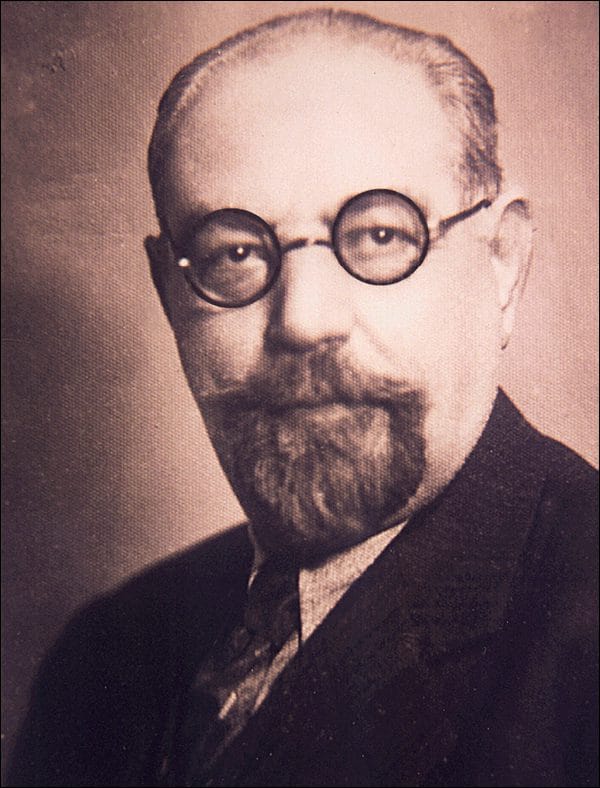
1920 Dürrizâde Abdullah Beyefendi, who was affiliated with Ken’ân Rifâî, was appointed as the Sheikh al-Islam.
1920 The Treaty of Sèvres was signed.
1920 The Grand National Assembly was inaugurated in Ankara.
1920 He was appointed as a member of the Committee of Scientific Research.
1921 Victories were achieved in the War of Independence: First and Second Battles of İnönü, and the Battle of Sakarya.
1921 Ümmü Ken’ân Lodge was mentioned in the document issued by the Assembly of Sheikhs regarding the collective recitation of the salât-ı nâriye prayers in lodges for the victory of Muslim soldiers (War of Independence).
1921 Nazım Hikmet’s poem ``Mevlânâ`` was published in the magazine Anadolu'da Yenigün.
1921 The London Conference was held.
1921 He retired.
1922 Victory was achieved in the Battle of the Commander-in-Chief.
1922 The Armistice of Mudanya was signed.
1922 His work titled Seyyid Ahmed er-Rifâî was published.
1922 He served as the First Deputy Speaker in the First Grand National Assembly of Turkey.
1922 Cemâlettin Çelebi, the sheikh of the Hacı Bektaş Lodge, passed away.
1923 The Republic of Turkey was founded.
1923 Among the members of the Grand National Assembly was the sheikh of the Konya Mevlevihâne,
1923 Abdülhalim Çelebi Efendi was awarded the Medal of Independence for his contributions to the defense of the homeland.
1923 His work titled İlâhiyât-ı Ken’ân was published.
1924 The Ottoman Caliphate was abolished.
1924 The Law on the Unification of Education was enacted. Education was unified.
1924 The Constitution was adopted.

1925 A Shadhili sheikh from Bursa granted a Shadhili ijazah (authorization) as a blessing.
1925 A law was enacted to close down tekkes, zawiyas, and tombs.
1925 The Hat Law was enacted.
1925 The Law on Time and Calendar was enacted.
1925 Following the decision to close tekkes and zawiyas, the Ümmü Ken’an Lodge ceased its operations as a tekke.
1926 The Civil Code came into force.
1926 She began personal guidance activities within her family and close circle.
1927 The first radio broadcasts began in the country.
1927 With a constitutional amendment, the Republic of Turkey gained the status of a secular state.
1928 Conversations held with her family, students, and friends began to be recorded, laying the foundation for the future publication titled Conversations.
1928 Laws on international numerals and the new Turkish alphabet were enacted.
1929 She began teaching Turkish at Yoakimion Greek Girls’ High School.
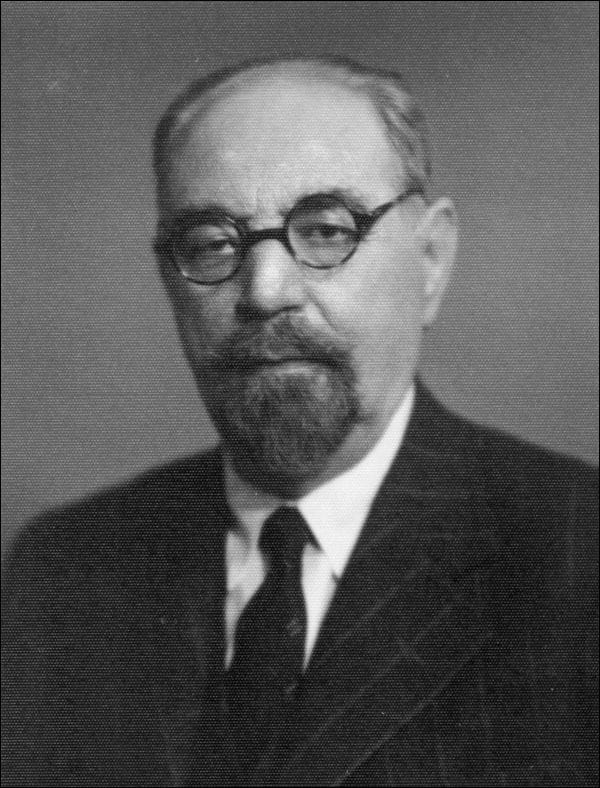
1930 In addition to serving as the Chairman of the School Administrative Commission at Hayriye High School, he also began teaching French.
1931 The Turkish Historical Society was founded.
1933 The work titled The Immortality of the Soul, translated by Semiha Cemâl Hanım (d. 1936)—one of the first female philosophers of the Republic and a student of Ken’ân Rifâî—was published. It was the first translation of Plato.
1933 Calligrapher Aziz Efendi, one of Ken’ân Rifâî’s caliphs, returned from Cairo after completing his duties there, following an invitation by King Fuad of Egypt.
1934 The Surname Law was enacted.
1934 Women were granted the right to vote and be elected.

1936 The Montreux Convention Regarding the Regime of the Straits was signed.
1937 The independence of Hatay was recognized by the League of Nations.
1937 Ahmed Avni Konuk completed his fifteen-year commentary on the Masnavi.
1938 Mustafa Kemal Atatürk passed away.
1938 The first female author of a Sufi novel in the Republic, Sâmiha Ayverdi (d. 1993), a close student of Ken’ân Rîfâî, published her first work in the genre of Sufi-themed novels, This Is Love.
1938 İsmet İnönü was elected president.
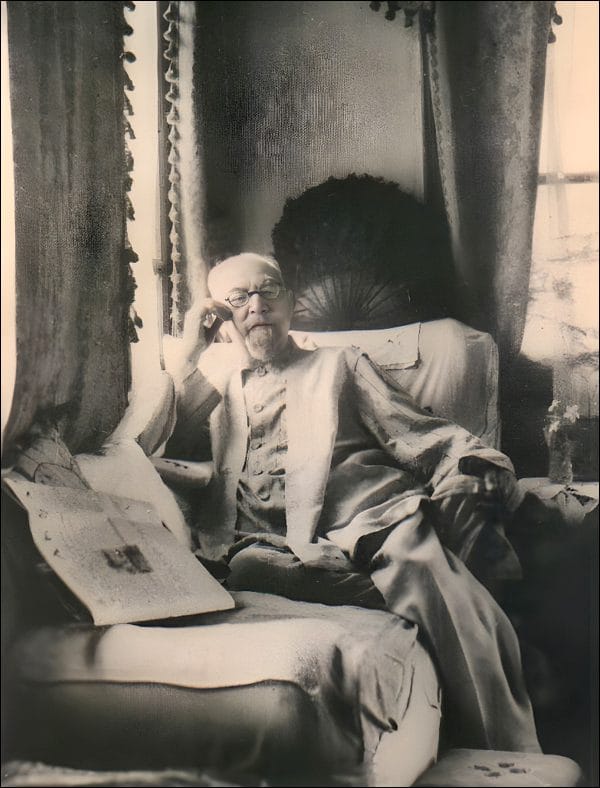
1941 Held a meeting on educational issues with the Minister of National Education of the time, Hasan Âlî Yücel (b. 1961).
1942 Resigned from Fener Greek Boys’ High School, where he had taught Turkish for thirteen years.
1944 Turkey joined the Civil Aviation Convention.
1945 Turkey signed the United Nations Charter.
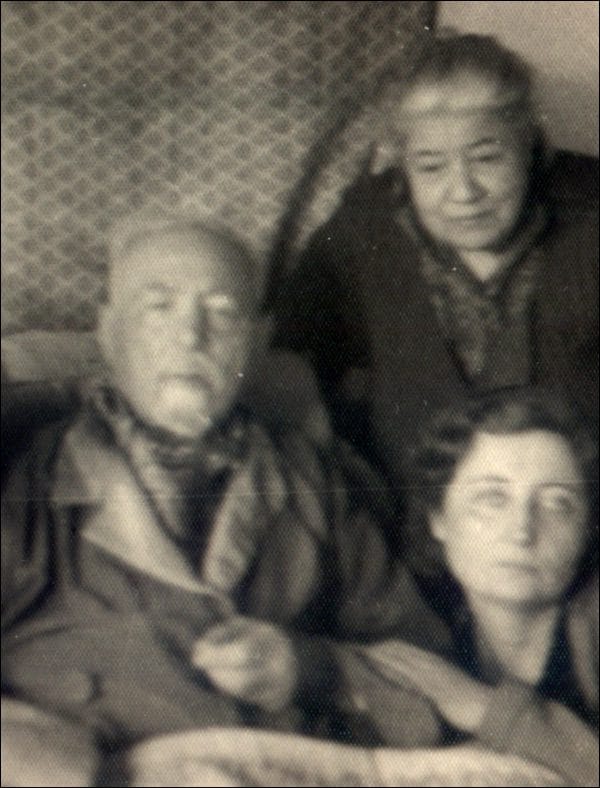
1946 After World War II, within the scope of religious freedoms, he turned to personal guidance among an intellectual circle that included prominent writers of the time.
Enis Behiç Koryürek (Teacher, poet, artist, diplomat, bureaucrat)
Süheyl Ünver (Turkish medical historian, physician, painter, and illuminator)
Andre Duchemin (French Catholic priest, literature teacher and academic advisor at Saint Benoit High School)
Burhan Toprak (Art historian, literature researcher, translator)
1946 Turkey ratified the UNESCO Agreement.
1947 Turkey was accepted into the International Monetary Fund (IMF).
1948 Suffered from paralysis.
1948 Turkey signed the Universal Declaration of Human Rights.
1949 Turkey and Greece were accepted as members of the Council of Europe.
1950 The Democrat Party won the general parliamentary elections. The 27-year single-party era came to an end.
