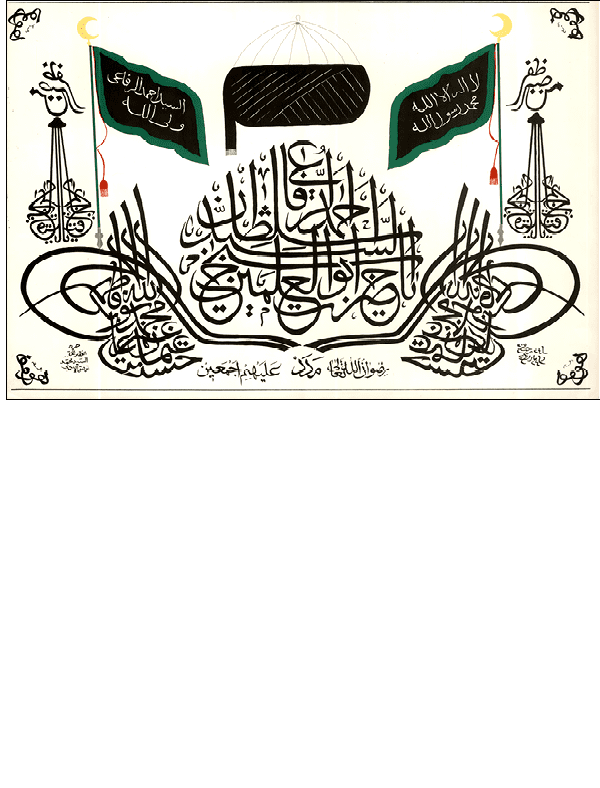
Kashf
The Source of Knowledge of Sufism
Kashf
The Source of Knowledge of Sufism
In Sufism, the term “kashf” (discovery) refers to a direct method of acquiring knowledge about divine matters, where the intellect and senses fall short. Sufis emphasize that the heart has two dimensions: one that perceives the physical world and another that perceives the unseen and angelic realm. Hence, Sufism is referred to as “‘ilm al-qulūb” (the science of hearts), and Sufis as “aṣḥāb al-qulūb” (people of hearts) or “ahl al-lisān” (people of the inner tongue). For the heart to connect with the angelic world and receive divine insights, it must be purified from all evils. Once purified, the veils over the heart are lifted, and divine or angelic knowledge is revealed. “Kashf” is thus defined as “knowing things hidden behind the veil and beyond reason,” and “witnessing the manifestations of Allah.”
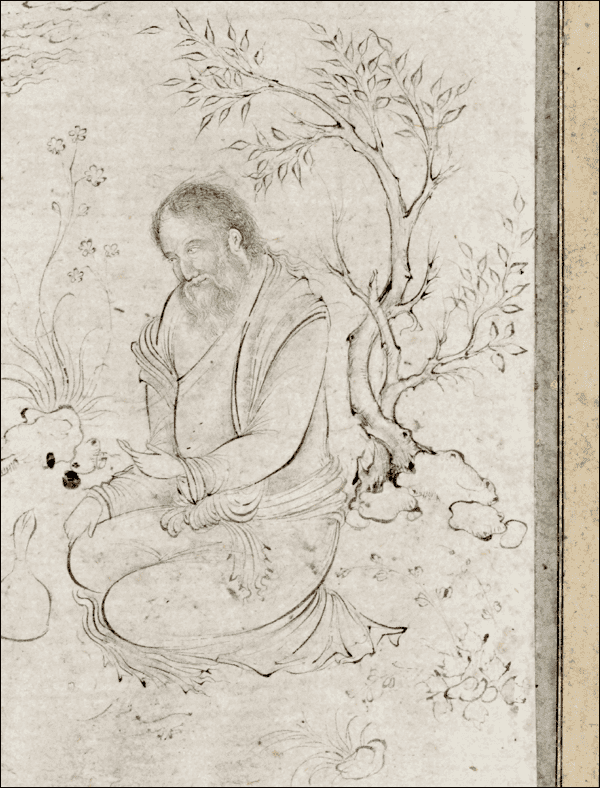
Mukāshafa
The term “mukāshafa,” which means the lifting of the veil between two things and their mutual disclosure, is often used synonymously with kashf. Sufism is referred to as the “science of mukāshafa,” and Sufis as “ahl al-mukāshafa” or “ahl al-kashf,” indicating the concept’s importance in this field. Related terms such as “fath” (opening), “mushāhada” (witnessing), “tajalli” (manifestation), and “ilhām” (inspiration) also bear close meanings to kashf.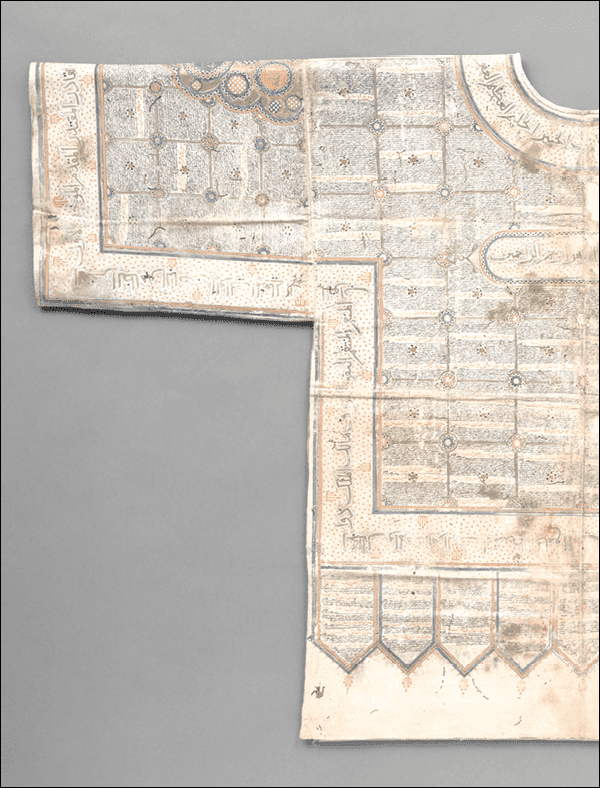
Science of the Elite (ʿIlm al-Ḥavāṣ)
Those who purify their souls through spiritual struggle and attach their hearts to Allah gain access to divine secrets, uncovering hidden meanings in the Qur’an and Hadith that are not apparent to everyone. This knowledge is called the “science of the elite” (ʿilm al-ḥavāṣ), and those who possess it are called “ḥavāṣ” or, if highly elevated, “khāṣṣ al-khāṣṣ.” Within this field, the science of letters (ʿilm al-ḥurūf), based on the mystical meanings of letters, holds a special place. Since words, including the Divine Names (asmāʾ al-ḥusnā), are believed to be formed from meaningful letter combinations, they are included in the science of letters. It is stressed that this knowledge is derived from kashf (discovery) and ilhām (inspiration). However, it should not be confused with the 14th-century Bāṭinī-inspired movement of Ḥurūfism founded by Faḍlullāh al-Ḥurūfī.Example source on the Science of the Elite:
Shams al-Maʿārif
The most renowned work on this topic is Shams al-Maʿārif al-Kubrā by the North African scholar Ahmad ibn ʿAlī al-Būnī (d. 1225). It includes topics such as the science of letters, numerology, geomancy (ʿilm al-jafr and wafq), astronomy, the elements, constellations, talismans, incantations, invocations, and alchemy. The author notes that only those who mention Allah regularly, purify themselves both outwardly and inwardly, and follow the spiritual path (sulūk) can benefit from it, emphasizing its Sufi nature.
(A Turkish translation of the work has been published. Examples of wafq diagrams can also be found in the DİA under the entry “Vefk.” The Turkish and Islamic Arts Museum exhibits talismanic shirts worn by Ottoman sultans.)
Esoteric (Ishārī) Qur’anic Commentary
Through kashf, Sufis interpret verses of the Qur’an based on knowledge that arises in their hearts. One of the first to express such meanings, albeit limited to certain verses, was Abū Sulaymān al-Dārānī (d. 830). The partial commentary of Sahl al-Tustarī, Tafsīr al-Qurʾān al-ʿAẓīm, has survived. Although the full commentary by Ibn ʿAtā and Abū Bakr al-Wāsiṭī, regarded as the first complete esoteric tafsīrs, did not survive, Sufis continued interpreting the Qur’an via kashf and even confirmed the authenticity of certain hadiths not accepted by traditional scholars.Tafsīr al-Qurʾān al-ʿAẓīm
Attributed to Sahl ibn ʿAbdullāh al-Tustarī (d. 896), this commentary provides esoteric interpretations for one or more verses from each sūra. It is the earliest surviving Sufi tafsīr and served as a source for many later commentaries.
(The Turkish translation is published by Nefes Publishing.)
Rūḥ al-Bayān
The esoteric tafsīr of Ismāʿīl Ḥaqqī Bursevī (d. 1725), written in Arabic in three volumes, was completed in 1705. Though primarily mystical, it also includes both traditional (riwāya) and rational (dirāya) elements. Its primary Sufi source is Najm al-Dīn al-Dāya’s Baḥr al-Ḥaqāʾiq.
(The Turkish translation was prepared under the leadership of Hasan Kâmil Yılmaz as Rūḥ al-Bayān: Kur’an Meali ve Tefsiri.)
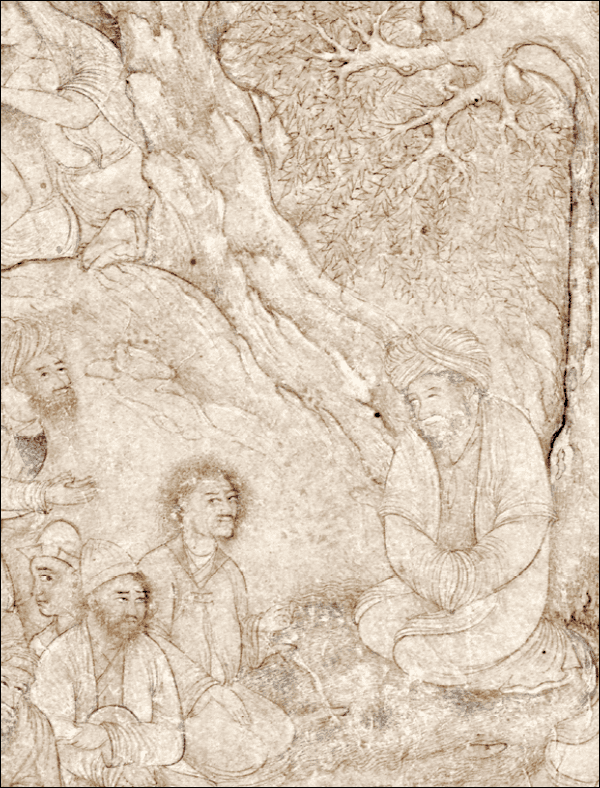
Men of the Unseen (Rijāl al-Ghayb)
According to Sufi knowledge through kashf, among Allah’s saints (awliyāʾ) there are individuals known as “rijāl al-ghayb” (men of the unseen) who maintain spiritual balance in the world, provide blessings, and repel evils. First articulated by the Sufi Muḥammad ibn ʿAlī al-Kattānī (d. 934), this concept was accepted and elaborated upon by Sufis like al-Ḥakīm al-Tirmidhī, Abū Ṭālib al-Makkī, Sulamī, Qushayrī, Hujwīrī, and al-Ghazālī. Ibn al-ʿArabī placed it at the core of Sufi metaphysics. Sources describe the titles, duties, numbers, and locations of these saints, noting a spiritual hierarchy, with the highest rank known as “quṭb,” “quṭb al-aqṭāb,” “ghawth,” or “ghawth al-aʿẓam.”