


Sufism Period
From the IInd / VIIIth century AD
Sufism Period
From the IInd / VIIIth century AD
The ascetics began to be called Sufis from the second (VIIIth) century because they wore woolen clothes (sūf), a symbol of humility, and the verb “tasawwefe” (wore wool) was derived from the word sūf to express this lifestyle, and the term “tasawwuf” came into use as the infinitive of the verb. This concept expresses the efforts of the Ahl al-Sunnah elite to be with Allah at all times and to avoid heedlessness against the bid’ahs that emerged over time.

Futuwwa
It is observed that leading Sufis used the term “futuwwa” synonymously with Sufism from the second (VIIIth) century onward. Since the qualities of being brave, generous, and courageous found in a noble person (fetâ) are also present in a true Sufi, the Sufi was also accepted as a fetâ, and for this reason, futuwwa was defined as “Sufism.”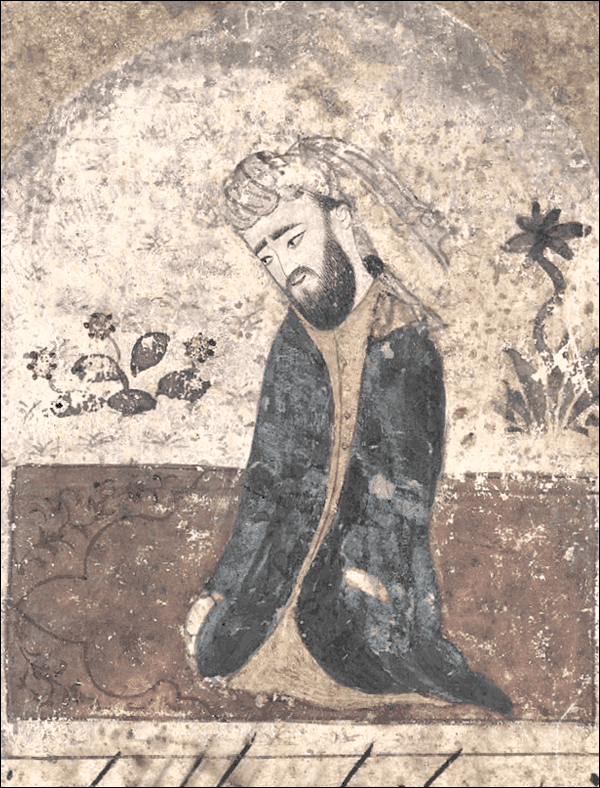
Zāhir-Bāṭin
The first Sufis who focused on the purification of the heart in religious and moral terms divided people's actions into bodily and heartly actions; the bodily actions were called zāhirī deeds, and the heartly actions were called bāṭinī deeds. Zāhirī deeds and their rulings represent the formal and outward aspects of Islam; acts of faith, sincerity, certainty, gnosis, love, contemplation, trust, consent, fear, hope, ecstasy, and awe, and their rulings, represent the spiritual and inward aspects. Sufism has been defined as a spiritual and inner way of life lived within the framework of the outward and inward rulings of Islam.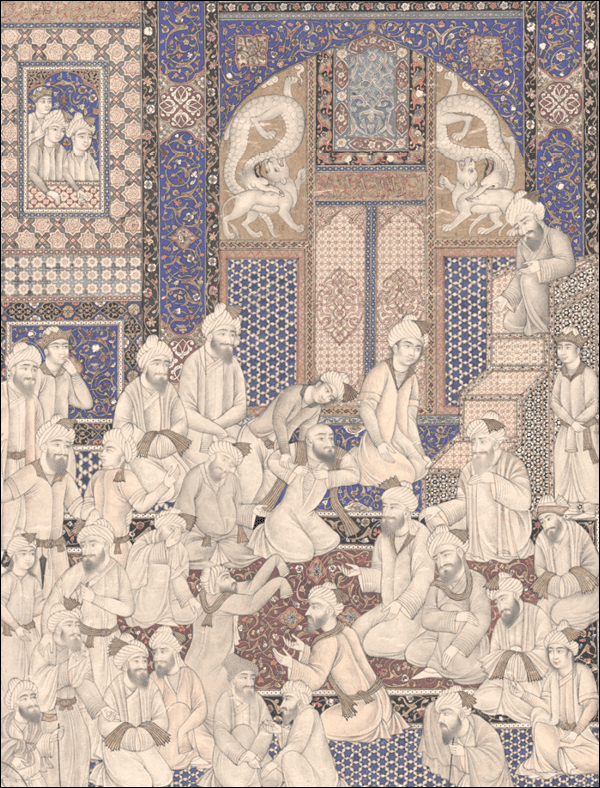
Sufi-Malāmatiyya
Among the most important mystical movements emerging with the 3rd (IXth) century AH are the Baghdad and Nishapur schools of thought. The former emphasized monotheism and gnosis, while the latter focused on the attitude of concealing spiritual states called malāmatiyya and the concept of futuwwa.While the Baghdad-centered movement was called Sufism and its members were called Sufis, the Nishapur-centered movement in the Khorasan region was called Malāmatiyya, and its members were called Malāmati. The Sufis valued etiquette, rites, and attire such as cloaks (hirka), as well as sema (spiritual listening), forming a distinct group in society. The Malāmati, who preferred to appear like common folk, strictly opposed behaviors and symbols like the cloak and sema that would identify them differently.
