Era of Sufi Orders
Method of Sufi Education
Era of Sufi Orders
Method of Sufi Education
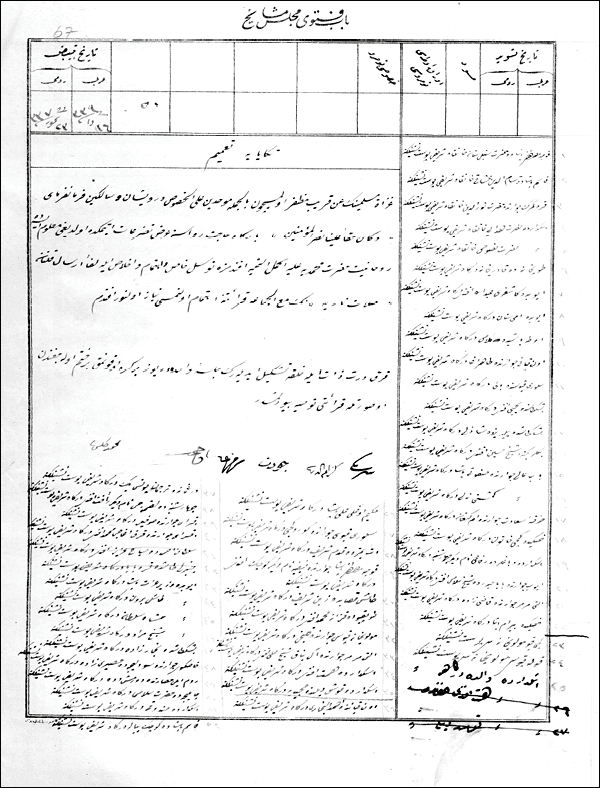
The concept of “tarîkat” in Sufism refers to the method adopted or the path taken to reach the Truth (God). Sufis, to emphasize the multitude of paths leading to God, have used expressions like “as many as the stars in the sky” or “as many as the breaths of creatures.” According to them, the Prophet Muhammad instructed his companions, including the Rightly Guided Caliphs, in various methods of remembrance (dhikr), and the continuation of these methods led to the formation of sufi orders (tarîkats). Therefore, the divine path initiated by the Prophet, who stands at the head of all orders, has been called the “Tarîqat-i Muhammadiyya.” Hujwiri (d. 465/1072 [?]), one of the classical period authors, referred to the early Sufi groups that emerged from the 3rd century AH (9th century CE) onward as “sects” (fırka), listing them as Muhasibiyya, Kassariyya, Tayfuriyya, Junaydiyya, Harraziyya, Hakimiyya, Nuriyya, Sahlīyya, Khafifiyya, and Sayyariyya.
Qadiriyya: Baghdad (Iraq)
Suhrawardiyya: Baghdad (Iraq)
Rifaiyya: Bataih (Southern Iraq)
Sa’diyya: Damascus (Syria)
Yasawiyya: Yesi (Kazakhstan)
Naqshbandiyya: Bukhara (Uzbekistan)
Kubrawiyya: Khwarezm (Central Asia)
Medyaniyya: North Africa
Shadhiliyya: North Africa
Badawiyya: North Africa
Chishtiyya: Ajmer (India)
Khalwatiyya: Azerbaijan
Mevleviyya: Konya
Bektashiyya: Nevşehir
Bayramiyya: Ankara
Silsila
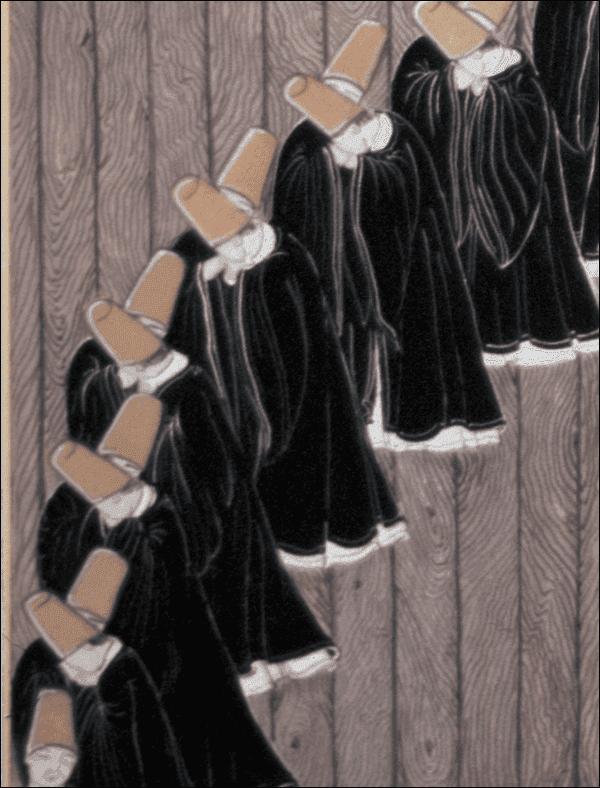
The list that contains the names of sheikhs who authorized each other in a Sufi order is called a “silsila.” These were formed by transmitting the dhikrs taught by the Prophet to his companions to later generations. The document on which the names of the chain are written is called a “silsila-nama” or “tomar.” While most of the existing orders trace their silsila back to Ali, the Naqshbandiyya, which traces its silsila to Abu Bakr, also has connections to Ali; similarly, Mevleviyya, Bayramiyya, and Zayniyya, which trace to Ali, also have links to Abu Bakr.
Sheikh/Guide–Disciple
Sufi education, which is conducted in various methods (orders) depending on a person's character, is implemented under the guidance of a perfect sheikh (murshid). Since this education is based on the will of the person, the student is called a 'murid,' meaning 'the one who wills.' During this training, which aims to purify the heart of spiritual diseases (tasfiya al-qalb) and cleanse the soul from bad traits (tazkiya al-nafs), the murid is required to perform not only obligatory acts but also supererogatory worship and never neglect the assigned supplications and remembrances (awrad and adhkar).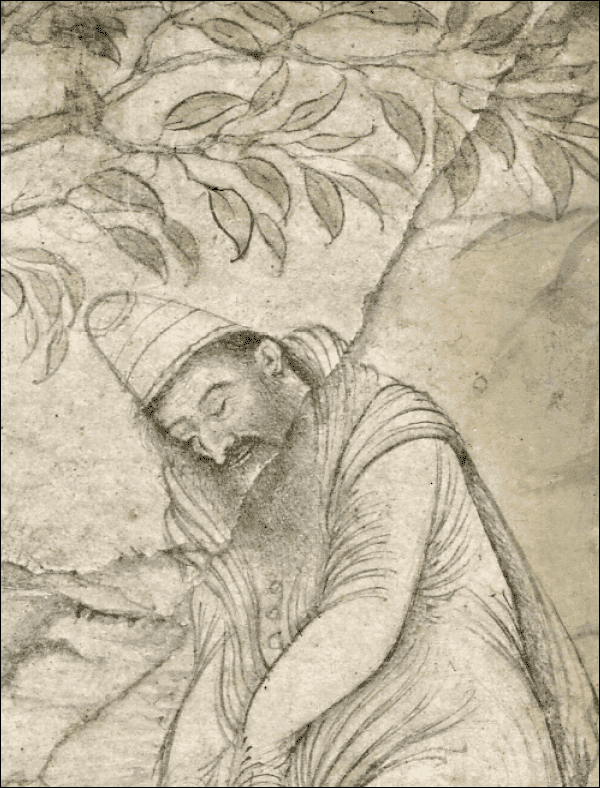
Uwaysi Path
The ideal is for a murid to be trained by a living sheikh. However, training is also possible through the spiritual presence of a deceased sheikh. This method is named after Uways al-Qarani, who was spiritually trained by the Prophet without seeing him physically and received his cloak. Thus, it is called the Uwaysi path/Uwaysiyya.
Pir of the Order
In Sufism, the term “pir,” which is synonymous with murshid, wali, and sheikh, began to be used as a title for the founder of a major Sufi order from the 6th century AH (12th century CE) onward. For example, Abdul Qadir al-Gilani is the pir of Qadiriyya, Ahmad al-Rifa'i of Rifaiyya, Shah Bahauddin Naqshband of Naqshbandiyya, Abu al-Hasan al-Shadhili of Shadhiliyya, Jalal al-Din Rumi of Mevleviyya, Haji Bektash Veli of Bektashiyya, Umar Khalwati of Khalwatiyya, and Haji Bayram Veli of Bayramiyya.
Rabitah
In Sufi education, the act of a murid connecting their heart to a perfect murshid and contemplating their appearance and character is called “rabitah.” To imitate the sheikh’s behavior and reflect his spiritual state upon oneself, the murid must trust and love the sheikh sincerely. The stronger this love, the more the murid receives spiritual states from the sheikh. Imam al-Ghazali emphasized the need for the murid to follow the sheikh and act on his advice, and Najm al-Din al-Kubra highlighted the importance of maintaining a constant spiritual connection (rabitah) with the sheikh. The total submission and imitation of the sheikh is called “fana fi’s-shaykh” (annihilation in the sheikh), which is regarded as the first step toward “fana fi’llah” (annihilation in God).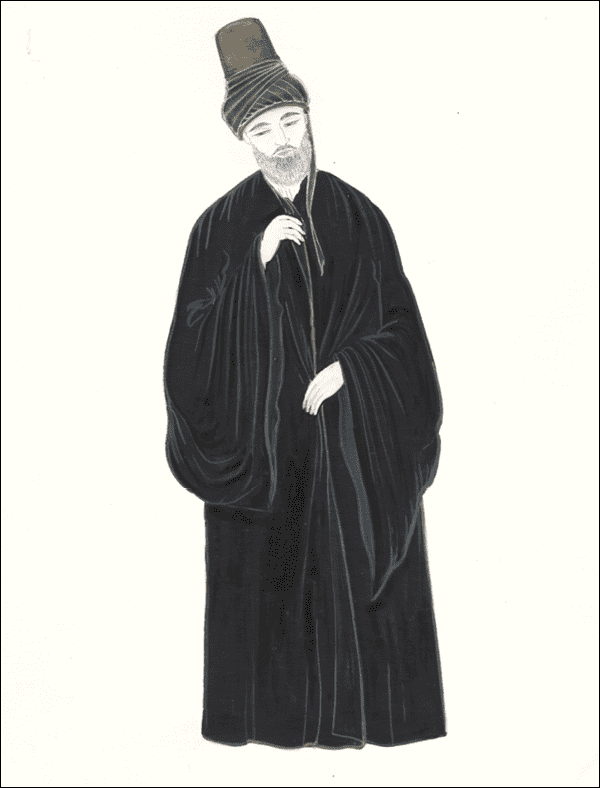
Khirqa (Robe)
In Sufism, those who complete their training are awarded a robe called the robe of succession, robe of guidance, or robe of authorization. It is possible for someone who receives authorization from one order to also wear the robe and receive permission from other orders. On special occasions and ceremonies, sheikhs wear a headdress called 'taj al-sharif' in addition to the robe. Since Sufis have worn robes and headgear in various colors and forms over time, especially during the Ottoman period, these garments began to signify their order affiliations. The prayer beads, staff, belt, and other items used by sheikhs and dervishes are called “tools of the tariqat.” Many orders also have unique flags and banners.
Tekke (Sufi Lodge)
From the 2nd century AH (8th century CE) onward, tekkes were established as places where Sufis could gather to perform dhikr and engage in spiritual conversations, and at times retreat into seclusion. Also known as khanqah, dervish lodge, or zawiya, these centers were supported by waqf endowments and evolved to include libraries, classrooms, porticos, treatment areas, guesthouses, storage, gardens, etc. During the Ottoman era, many sheikhs who led these tekkes were also masters in fields like medicine, astronomy, music, calligraphy, floral art, and crafts. Thus, their lodges served as schools of fine arts and healing centers, offering services to foreigners, travelers, and the sick.